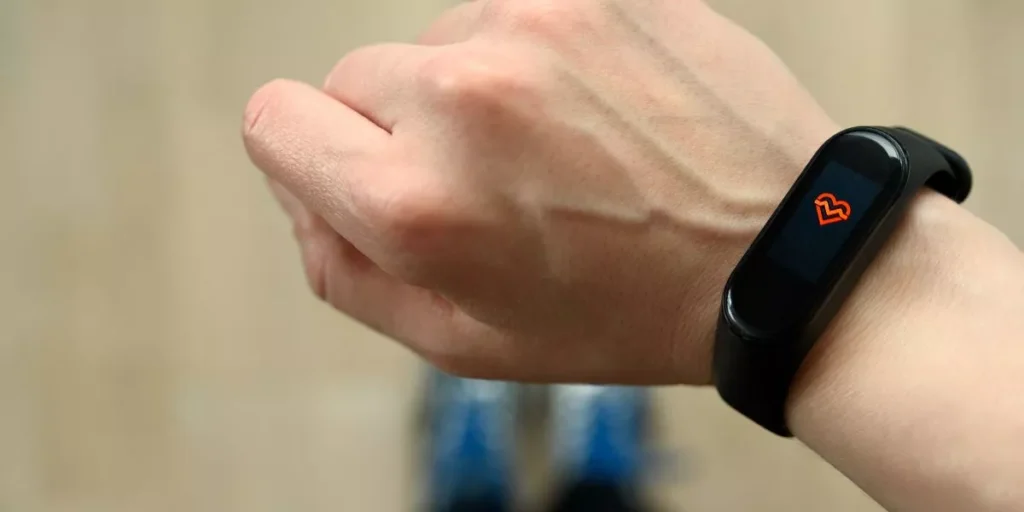
When considering the reliability of wearable devices in measuring blood oxygen levels, it’s crucial to weigh the benefits against potential limitations. While these gadgets offer convenience and accessibility, factors like sensor accuracy and external influences can impact the precision of readings. As you evaluate the reliability of wearable devices for monitoring vital health metrics, keep in mind the nuances that may affect their accuracy. This nuanced discussion delves into the intricacies of relying on wearable technology for crucial health measurements.
Accuracy of Wearable Devices
When assessing the accuracy of wearable devices for blood oxygen levels, it’s crucial to consider various factors that may impact their reliability. These factors include the quality of sensors used in the device, the placement of the device on your body, and your skin tone.
The sensors play a vital role in measuring blood oxygen levels, so ensuring they’re of high quality is essential for accurate readings. Proper placement of the device, such as on your wrist or fingertip, also affects the device’s ability to accurately measure your blood oxygen levels.
Additionally, skin tone can impact the device’s accuracy as devices may have been primarily tested on lighter skin tones, potentially leading to less accurate readings for individuals with darker skin. Being mindful of these factors when using wearable devices to monitor your blood oxygen levels can help you make more informed decisions about your health and well-being.
Factors Affecting Measurement Reliability
To ensure the reliability of wearable devices for measuring blood oxygen levels, it’s important to consider various factors that can impact the accuracy of these measurements. Factors affecting measurement reliability include proper device calibration, sensor placement, skin condition, ambient light interference, and motion artifacts.
Calibration is crucial as inaccuracies can arise if the device isn’t calibrated correctly or regularly. Sensor placement plays a significant role; incorrect positioning can lead to inaccurate readings. Skin condition, such as pigmentation or moisture, can affect sensor accuracy. Ambient light interference may impact the sensor’s ability to detect blood oxygen levels accurately. Motion artifacts, caused by movement during measurement, can also introduce errors.
Understanding these factors and taking necessary precautions can enhance the reliability of blood oxygen level measurements obtained from wearable devices. Regular calibration, correct sensor placement, considering skin condition, minimizing ambient light interference, and reducing motion artifacts can all contribute to more accurate and reliable measurements for better health monitoring.
Comparison to Clinical Devices
For a direct comparison between wearable devices and clinical devices for blood oxygen level measurements, consider their accuracy and reliability. Clinical devices, such as pulse oximeters used in hospitals, are rigorously tested and calibrated to provide precise readings. These devices are often considered the gold standard for measuring blood oxygen levels due to their high level of accuracy.
Wearable devices, on the other hand, may vary in accuracy and reliability. While some wearable devices have shown promising results in studies, they may not always be as accurate as clinical devices. Factors such as sensor quality, placement on the body, and movement during measurements can impact the reliability of wearable devices.
It’s essential to understand the limitations of wearable devices compared to clinical devices when monitoring blood oxygen levels for health purposes. When choosing between the two, consider the level of accuracy needed for your specific health monitoring requirements.
Tips for Ensuring Accuracy
To ensure the accuracy of blood oxygen level measurements with wearable devices, consider implementing a few key tips.
Firstly, ensure that the wearable device is properly fitted on your wrist or finger as per the manufacturer’s guidelines. Positioning plays a crucial role in obtaining accurate readings.
Secondly, avoid moving excessively while the device is measuring your blood oxygen levels. Movement can interfere with the sensor’s ability to capture an accurate reading.
Additionally, keep your skin clean and dry where the device makes contact, as dirt or moisture can affect the sensor’s performance. Regularly calibrate your wearable device according to the manufacturer’s instructions to maintain its accuracy over time.
Lastly, cross-check the readings from your wearable device with readings from a clinically validated device to verify its reliability. By following these tips, you can enhance the accuracy of blood oxygen level measurements obtained through wearable devices.
Trending Products


![Samsung Galaxy Watch 8 (2025) 40mm Bluetooth Smartwatch, Cushion Design, Fitness Tracker, Sleep Coaching, Running Coach, Energy Score, Heart Rate Tracking, Silver [US Version, 2 Yr Warranty]](https://m.media-amazon.com/images/I/31LaWf6wVqL._SS300_.jpg)